Manipulation
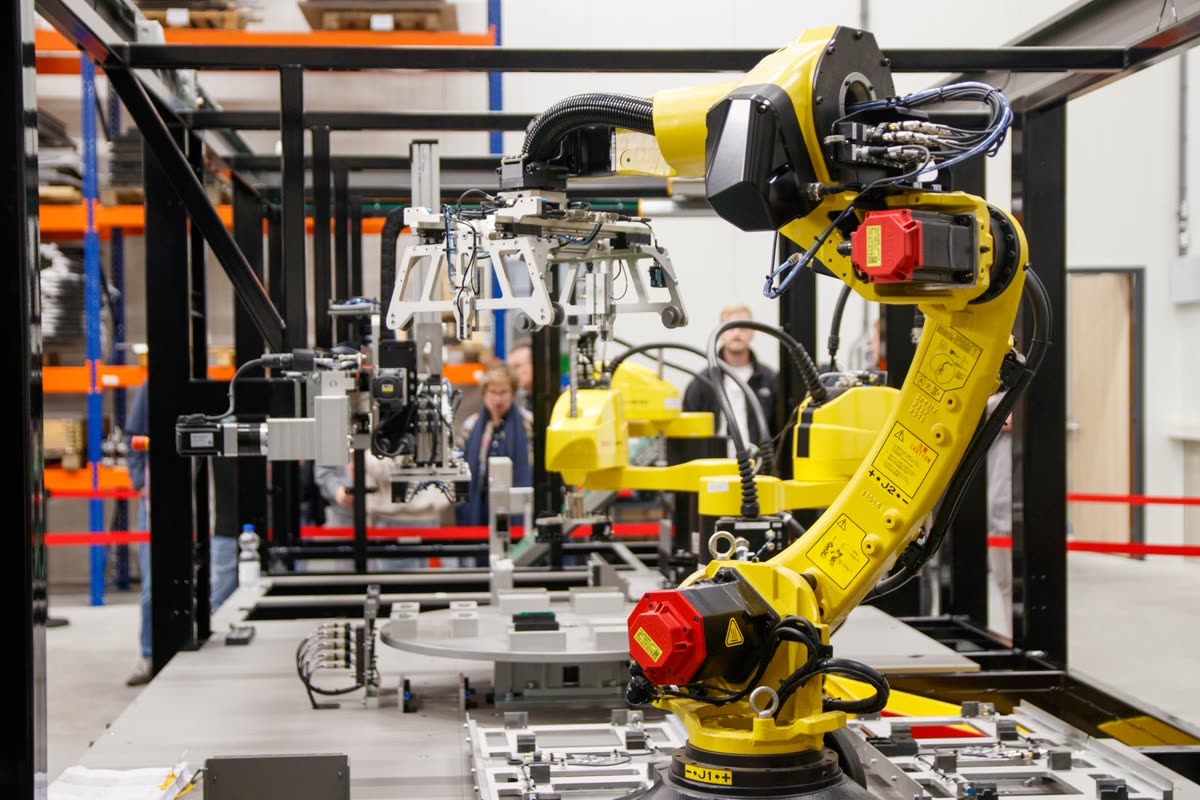
Mixed Object Picking
Evaluate perception, grasp planning and autonomous recovery across changing objects and physical conditions.
Scenario detailEvery scenario is a defined encounter between a system and a physical condition — described precisely enough to be repeated, compared and understood across environments.
Evaluate perception, grasp planning and autonomous recovery across changing objects and physical conditions.
Scenario detail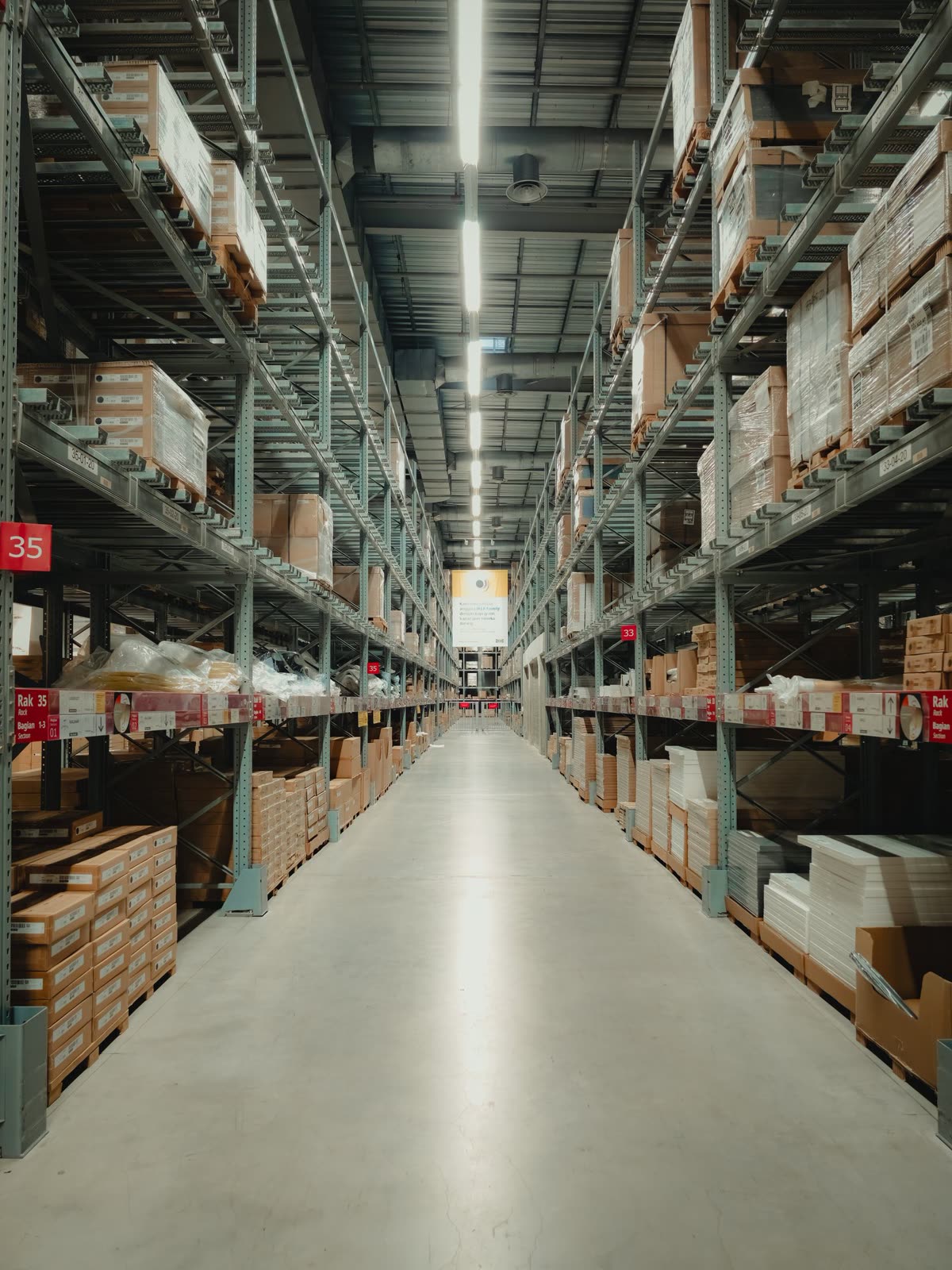
Observe path planning and clearance behaviour in narrow, occupied and continuously reconfigured storage aisles.
Scenario detail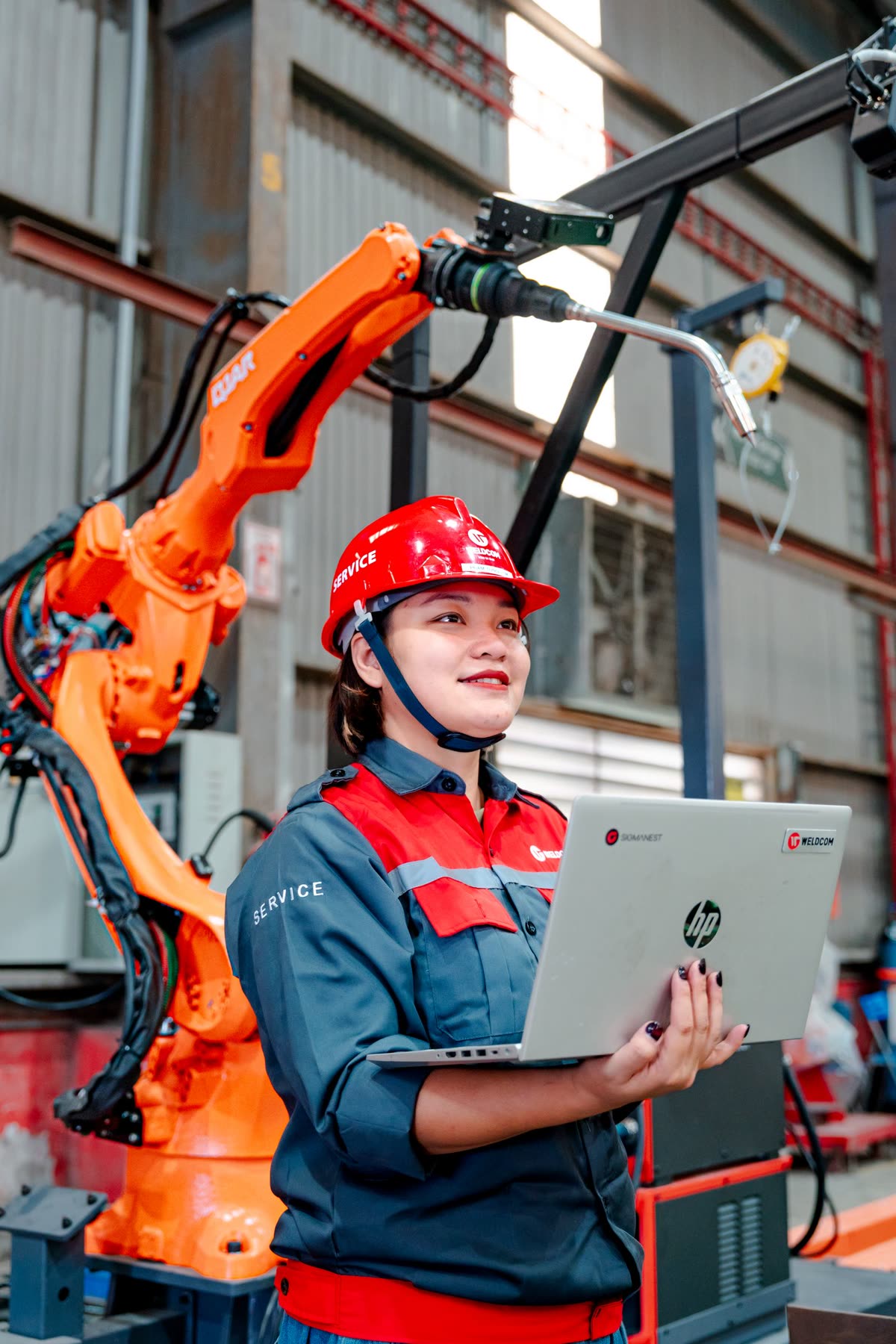
Measure behaviour where operators and autonomous systems work within the same physical envelope.
Scenario detail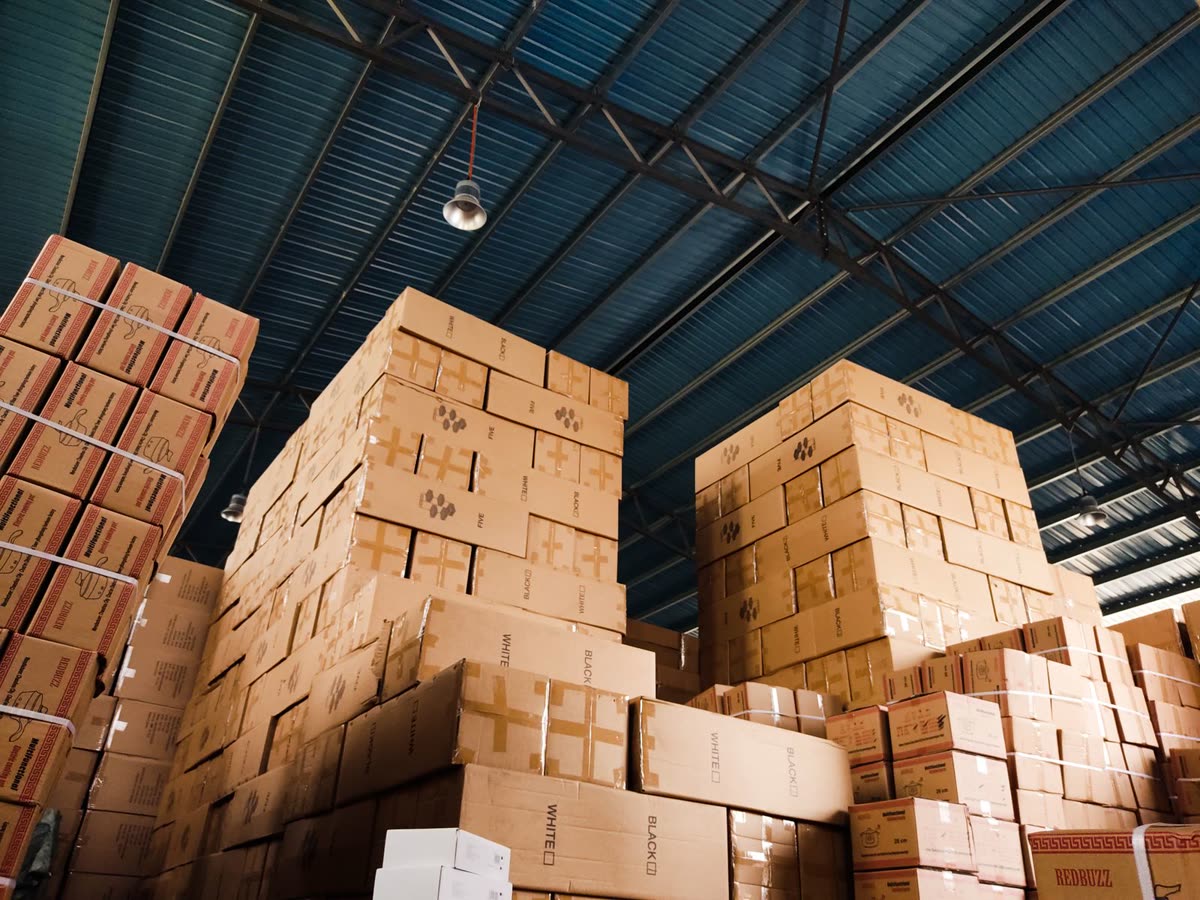
Assess stacking strategy and stability as load geometry, weight and packaging vary through a shift.
Scenario detail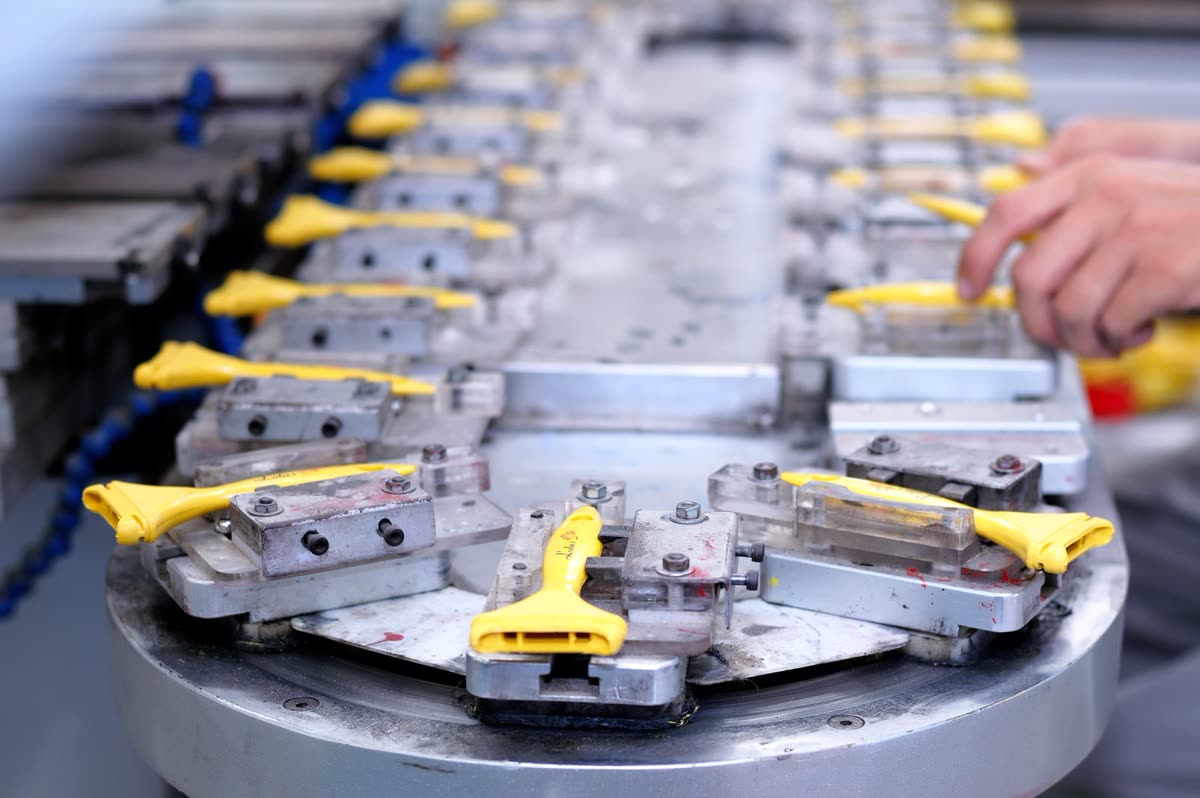
Study tolerance handling, insertion force and failure recovery on live production tooling.
Scenario detail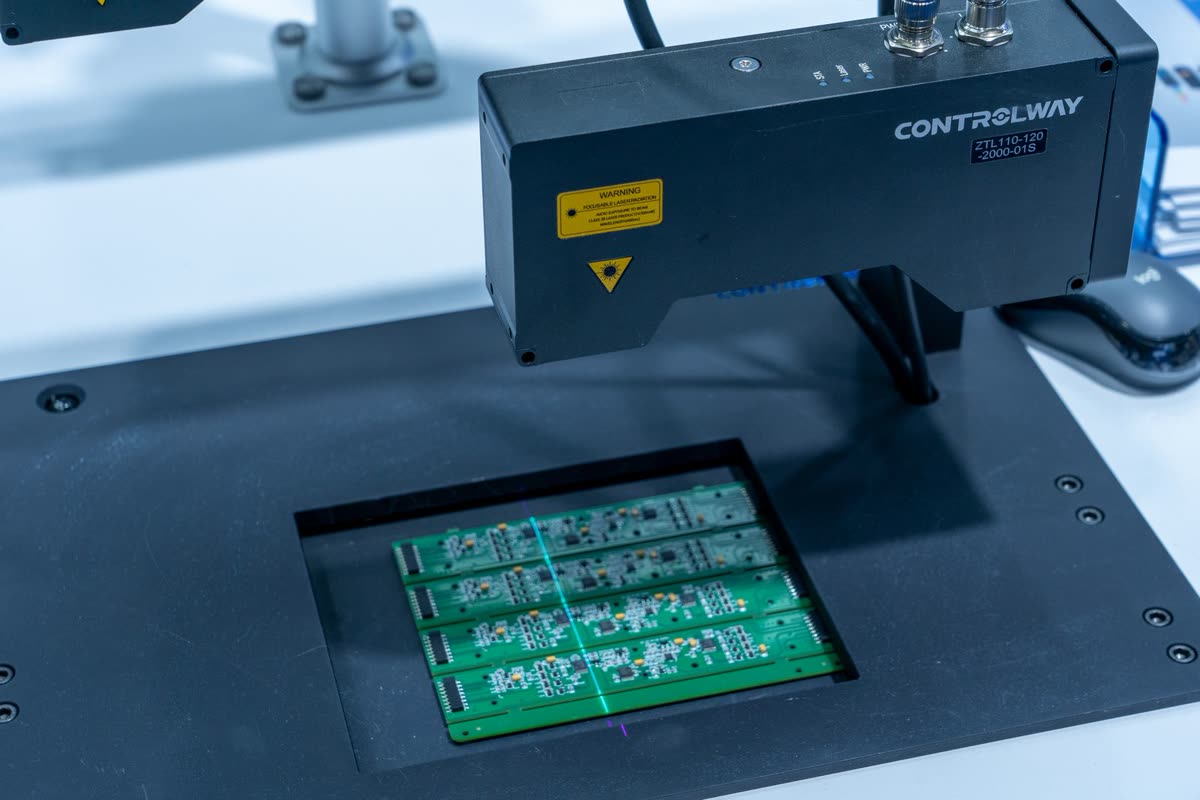
Compare detection consistency across lighting, material finish and throughput conditions.
Scenario detail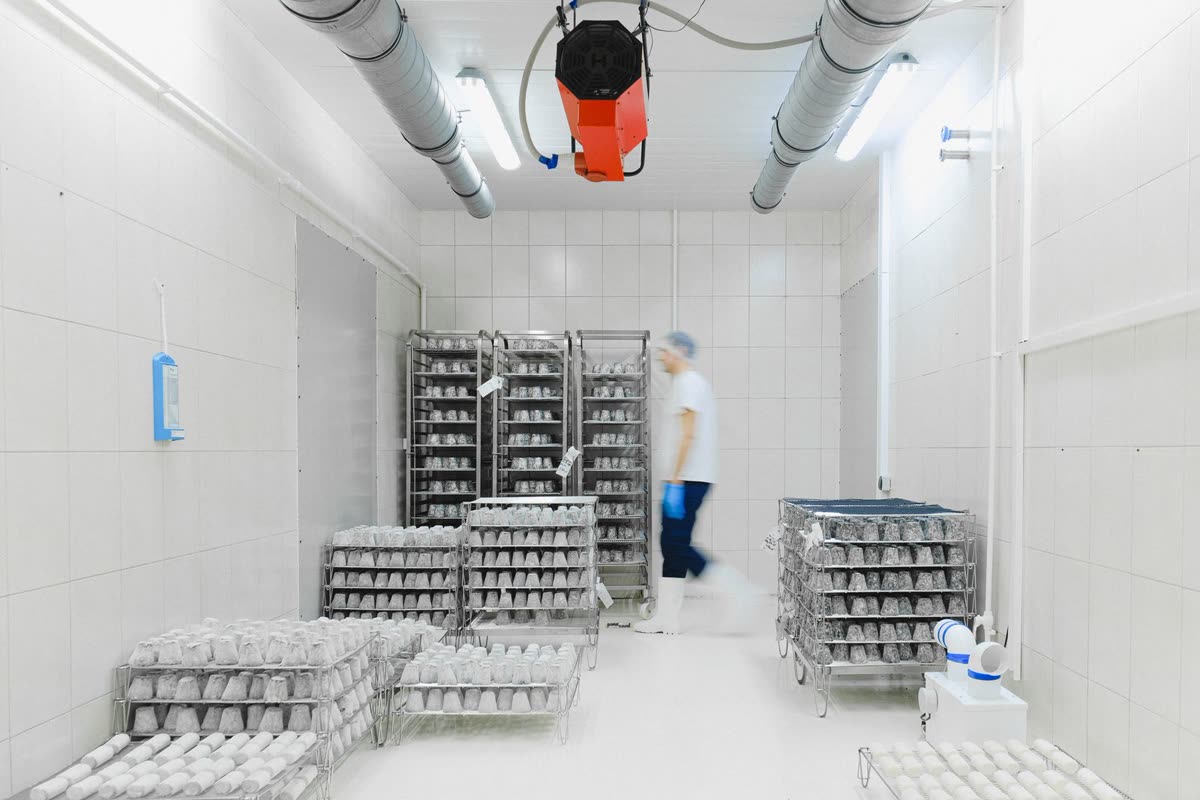
Understand sensing and actuation behaviour at low temperature, high humidity and on wet surfaces.
Scenario detail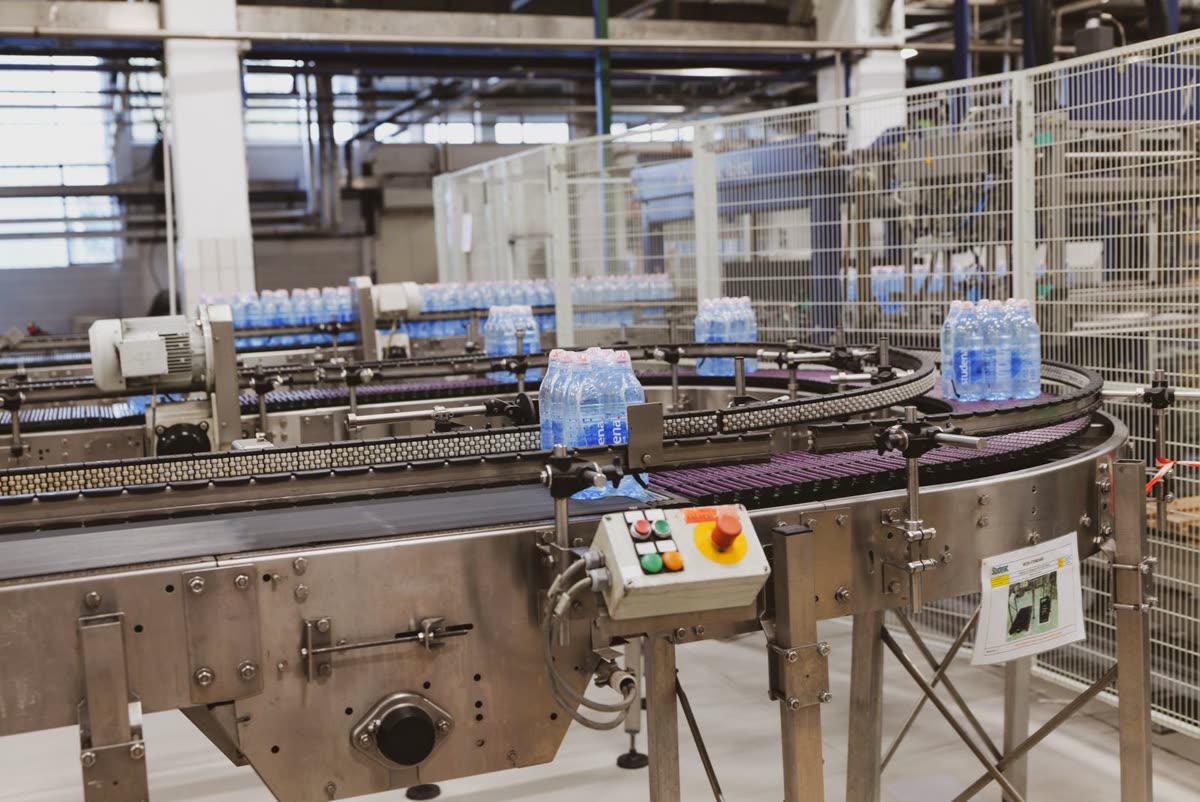
Observe sustained cycle behaviour where speed, material handling and changeover interact.
Scenario detailEach scenario names the physical condition, the task and what is observed. That description travels with it, so the same encounter can be run in a different facility, a different region and a different season and still be read side by side.
What comes back is structured observation and cross-environment insight — not a score.
A real facility with its own layout, lighting, materials and operating rhythm.
A defined scenario executed under the conditions of that environment.
Structured records of what happened, captured consistently across sites.
Comparable behaviour across environments, conditions and repetitions.
Deployment-relevant evidence of where a system holds and where it does not.